Most Common Story: In 1813, Per Henrik Ling (1776-1839) opened the Royal Gymnastic Central Institute in Stockholm. He developed a system that incorporated manual therapy, physical training, and gymnastic procedures with knowledge of anatomy, physiology, and pathology. These techniques were called the Swedish Movements or the Swedish Movement Cure and became the foundation of Swedish massage. The Swedish Movement Cure Swedish movements; Ostrom, p. 76, 77 While traveling Europe, Ling learned to fence. He noticed the repetitive and one-sided motions were having negative effects on his body. To balance his physical activity, he started to incorporated gymnastics into his health regime. He was able to relieve his chronic elbow pain and began to study anatomy and physiology and developing Swedish Gymnastics. The Swedish Movement System included 3 classifications of movements: Active - Activities in which patients exercise or move their own body Passive - Movements required patients to be relaxed and have either their bodies moved by an attendant or received manipulation by the attendant. Duplicated - Requires work from both the patient and the attendant. The attendant will physically resist the patient's effort to move. Where It Gets MurkyThere is controversy around whether the Swedish Movement included massage as a therapy. We do know that Ling's techniques are the foundation for modern day physical therapists and he is known as the "Father of Physical Therapy". While there was a hands-on relationship between therapist and patient, the techniques had little resemblance to a modern day Swedish massage.  Pehr Henrik Ling Ling wrote that friction, kneading, stroking, cupping, and clapping were to be included within his exercise system, though he never referred to it as massage or rubbing. George Taylor, M.D., writing in 1885, used the terms "clappings, knockings, stroking, kneading, pullings, shakings and vibratings" to describe the passive movements used. However, translations of Ling's Notations to the General Principles of Gymnastics never used the French terms still in use today to describe the strokes of Swedish massage, implying that Ling's movements were not intended strictly as massage techniques. A Dutch physician and massuer, Dr Johan Georg Mezger, was the first to apply French names to the basic strokes used during a Swedish massage:
It seems strange for a man from Holland to choose French words, but the French words massage, masseuse, and masseur were already becoming popular across Europe. Dr. Mezger was the first to differentiate classic massage strokes from the techniques used in the Swedish Movement System.  Dr. Johann Georg Mezger In 1856, Johann became an apprentice at the Gymnastics institute in the Western Market of Amsterdam. During his studies, he received permission to test French friction methods with ankle sprains. A 1870 German newspaper reported on the successful healing through his hands of an elderly woman in Bonn. When the young future King Gustav V of Sweden became disabled after falling on his hip, Dr. Mezger told the future king that he would give him 2 massages a day and have him walking within three weeks. After 10 days he was walking again. Dr. Mezger rubbed, squeezed, and patted the limbs of his patients with his "golden thumbs." So Why Is It Called Swedish Massage?The term "Swedish" massage is only recognized in English and Dutch speaking countries and Hungary. Sweden and the rest of Europe call it Classic Massage.
It's hard to find a massage textbook written in the last 100 years that does not attribute Swedish massage to Ling. Sometime during the second half of the 19th century the term Swedish Movement System was transposed to Swedish Massage System. It's possible that when researching Ling's techniques in later years, researchers noticed similarities between descriptions of Ling's techniques and terms already defined by Dr. Mezger. This may be how Per Henrik Ling became incorrectly associated with Swedish massage. Ling deserves a great deal of credit for the methods and techniques he developed and promoted, however, Swedish massage is not one of them.  Root causes of sciatic pain The sciatic nerve is comprised of five sets of paired nerve roots in the lumbar spine. The sciatic nerve runs from the lower back, through the gluteal and hips muscles, down each leg and into the foot. The sciatic nerve is the largest single nerve in the body. Piriformis Syndrome (False Sciatica) is often confused with True Sciatica. When the sciatic nerve is irritated by the piriformis muscle, it can cause pain that is very similar to True Sciatica.
Since symptoms of True Sciatica are almost identical to Piriformis Syndrome, there are two chair tests that help distinguish between the two:
1. While sitting on a chair, straighten your leg parallel to the floor on the side you are experiencing pain. If the pain increases, it is the symptom of true sciatica. 2. Sit straight on a chair and pull your knee to the same shoulder and then to another one. If the pain gets worse, you have Piriformis Syndrome.
Because many conditions can compress the sciatic nerve and cause sciatic pain, it's important to see your doctor, as the treatments are different depending on where and why the nerve is being compressed.

When To Seek Immediate Medical Attention:
What You Can Do To Relieve The Pain
Read More
Sciatic Pain and Piriformis Syndrome
Piriformis Syndrome, also known as false or pseudo-sciatica, can cause pain, weakness, tingling and numbness in the low back, hips, and down the leg. Piriformis Syndrome is caused by tightness and "knots" in the piriformis muscle compressing the sciatic nerve. The symptoms are very similar to true sciatica (nerve is compressed in the lumbar region of the spine.)

The sciatic nerve generally runs underneath the piriformis muscle, but for some people it can run through the middle of the piriformis muscle. Tension or contraction of this muscle can cause compression of the sciatic nerve, resulting in piriformis syndrome.
Since symptoms of True Sciatica are almost identical to Piriformis Syndrome, there are two chair tests that help distinguish between the two:
1. While sitting on a chair, straighten your leg parallel to the floor on the side you are experiencing pain. If the pain increases, it is the symptom of true sciatica.
2. Sit straight on a chair and pull your knee to the same shoulder and then to another one. If the pain gets worse, you have Piriformis Syndrome.
If you've determined that you have Piriformis Syndrome, use these tips to help relieve the pain!
 Spring has sprung and the gardens are calling! But let's not forget about our pet friends and the dangers that can be lurking in your garden. While most of these things are obvious (fertilizer, insecticides) others might surprise you (Easter lilies!) Fertilizer, insecticides, weed spray The most dangerous forms of pesticides include:
 Cocoa Mulch Found in most home garden centers, cocoa mulch is known for its sweet chocolate smell and fine texture. Cocoa mulch contains theobromine and caffeine, 2 key ingredients in chocolate. From the ASPCA: What happens if a 50 pound dog eats cocoa mulch?
A 50 pound dog who eats milk chocolate:
Top Poisonous Plants
Massage therapy is one of the oldest health care practices known to history and its evolution has shaped the massage industry of today! Be sure to check out the first 11 Amazing Historical Facts About Massage  1. Galen, a notable physician to a number of Roman Emperors in the 1st century AD, could be called the father of Sports massage. Galen spent several years interning as a physician to the Gladiators of the Circus Maximus and developing his techniques. Galen wrote on the subject of massage in his book Hygiene, covering topics including details of preparatory massage, duration of massage at each stage of exercise, and how to make a great massage oil. He also reveals his disdain for those who would lower the standards of the massage profession (sexually) and lessen it's meaning and purpose. After hearing a derogatory comment about his profession, Galen wrote, “These are all wanton witticisms, not at all befitting a man learned in so august an art.”  2. Ambroise Paré (1517-1590) was a French military surgeon and is considered one of the founders of modern surgery. Always willing to try new practices, Paré was one of the earliest modern physicians to discuss the therapeutic effects of massage. He classified various types of massage movements and favored massage for relieving joint stiffness and wound healing after surgery.  3. In the 18th century surgeons began to hire medical rubbers to help with rehabilitation, joint disease and treatment of lameness. Usually women, they had little education, but were very adept at hands-on therapy. They used simple techniques of rubbing, friction and joint movements. The medical rubbers would modify these techniques to produce different effects. Some went on to develop their own private practices independent of doctors. 4. The Society of Trained Masseuses (STM) was formed as a response to an article published by the British Medical Journal (BMJ) the summer of 1894. During the 1880's massage became an important skill for nurses. Massage courses were established by nursing schools, private schools, and internships. These courses were largely unregulated. In July 1894, the BMJ published an editorial titled 'Immoral "Massage" Establishments', claiming: "We understand that a good many 'massage shops,' are very little more than houses of accommodation (brothels).... This is so well understood that young men about town often make a tour of these establishments. Many of these girls have certificates, but they, as a rule, have spent their last penny in getting instruction, and, little by little, drift into a mode of life which is often most distasteful to them." "Our impression is that the legitimate massage market is overstocked, and that no women, unless she has a private connection, has the slightest chance of getting a living by massage alone... We are afraid that nothing could be done in the way of registration unless the ground could previously be cleared of what is undoubtedly a great social scandal." Six months later, four London-based nurses founded the STM to "make massage a safe, clean and honourable profession, and it shall be a profession for British women." They quickly worked to establish guidelines for training in the disciplines of anatomy and physiology. The Society refused to register male masseurs and discouraged contact between masseuses and male clients (unless in exceptional circumstances).  USDA History Collection, Special Collections, National Agricultural Library [Public domain], via Wikimedia Commons 5. George Washington Carver, "the Peanut Man", believed that peanut oil could help polio victims regain some lost function in there muscles and limbs. In the 1930's, Carver began to treat polio patients using peanut oil massages and reported positive results. Carver gifted Franklin D Roosevelt peanut oil and the President later told a scientist, "I do use peanut oil from time to time and I am sure that it helps." There was never any scientific evidence that the peanut oil was effective and it is believed that the patients most benefited from the massage treatment itself and the extra care that they received from Carver. Read More:Sources:
British Medical Journal, Immoral "Massage" Establishments (July 14, 1894) Brush Up on the History of the Massage Therapy Profession Saving the profession from scandal Ambroise Pare Biography Physiotherapy and the shadow of prostitution 7 Facts on George Washington Carver The Archetypes of Masseuse and Masseur
I’ll always remember the greatest story one of my teachers told in massage school. He had a female client who came in complaining of lower back and hip pain. He asked her to take her shoes off (heels) and walk across the room to check her gait. Her calf muscles had shortened to the point that even barefoot, she still walked like she was in heels. I decided at that point, that even though I love heels, I had to take steps to prevent the same thing from happening to me!
A Great Infographic from Live Science explaining why heels hurt.
Stretches to help when wearing heels
Achilles Tendon Stretch - 3 times a day
Lean into a wall with one foot about a foot and a half in front of the other, gently stretching the calf and tendon in the back foot; hold for 90 seconds, then switch sides.
"Alphabet exercise" - 1-2 times a day
Strengthens ankles and improves range of motion Use your big toe to trace each letter of the alphabet in cursive in the air, moving only the foot and ankle. Tips for Buying Heels that won't hurt!
I do love spring time in the Rockies. Time to start prepping and planning for the garden! Here are some tips to help avoid back pain while gardening.  1. While weeding, keep your back straight from the base of your neck all the way down to the end of your spine. If this is difficult, you can wear a back brace for extra help maintaining this posture.  2. Take breaks and do light stretches. Here’s a link to basic stretches from the Mayo Clinic or next time you’re in for a massage, ask for a free stretching sheet. 3. Don’t twist. Turn your entire body towards what you are working on. This includes when you are picking things up.  4. If you’ll be spending a lot of time working close to the ground, I suggest picking up a lightweight garden stool to protect your knees and joints. There are many designs out there, so you have plenty of options! Amazon Gardening Stools 5. I know you hear it all the time, but it’s important to BEND FROM YOUR KNEES. When picking anything up, bend at your knees and straighten your back before lifting. 6. Alternate using your right and lefts hands. This balances the workout and helps to prevent repetitive motion injuries. BONUS: Using your 'wrong' hand for simple tasks helps train your self-control. 8. Just as athletes need to cool down after a race, it’s important for you to cool down once you have finished gardening. Stretch and if you’re feeling sore, use heat or ice to relax the muscles.  7. Don’t forget sunscreen. In Colorado there's 25 percent less protection from the sun, sunscreen is a must. Good luck and may your plants grow healthy and fast!
Tension headaches are one of the most common types of headaches. Although some people get tension headaches for no apparent reason, they are usually caused by muscle tension in the neck and shoulders. Tension headaches are not hereditary.

Common causes for tension headaches:
Up to 80% of adults get tension headaches with women being two times more likely to get them as men. If you experience a tension headache daily, you have chronic tension headaches and should consult with your doctor.

The suboccipital muscles sit at the base of your skull. These four pairs of muscles are responsible for subtle movements between the skull and first and second vertebrae of the neck. Tension in this group of muscles is a common reason for tension headaches.
Tension headaches usually start with a dull pain or tightness in the base of your neck and shoulders. This can then wrap around the head and forehead. It has been described as feeling like a clamp is squeezing the skull.
It's best to treat tension headaches at the first sign when symptoms are still mild. The goal is to stop them from happening and to relieve any pain you're in.
Get Rid Of Tension Headaches Now
Long Term Prevention
If your headaches persist, are daily, or excessively painful, or came on suddenly, we strongly advise you to consult a doctor, without delay. There can be more serious conditions that are causing the headache that require medical attention.
The human body is so complex, with each year we have a better understanding of it's many mysteries. The 21st century has been no different and researchers have made amazing new discoveries about the body! 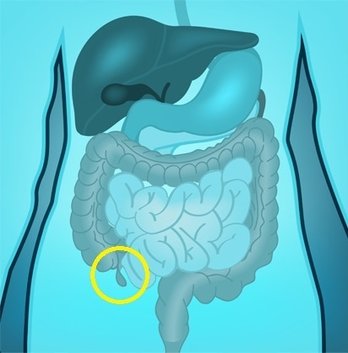 APPENDIX It has long been thought that the appendix was useless, having lost its functions millions of years ago, but according to researchers at Duke University Medical Center, the appendix is very useful for the bacteria in your digestive system. They found that the appendix acts as a “safe house” for good bacteria, allowing you to reboot your gut following a bout of gastrointestinal illness. One of the most convincing pieces of evidence comes from a 2012 study, which found that patients without an appendix were four times more likely to have a recurrence of Clostridium difficile colitis (C.diff) Researchers at Midwestern University gathered data on the presence or absence of the appendix on 533 mammal species over the past 11.244 million years. They found that once the organ appeared, it almost never disappears, leading researchers to reject the hypothesis that the appendix is a vestigial organ (an organ that has lost it’s function over time.) 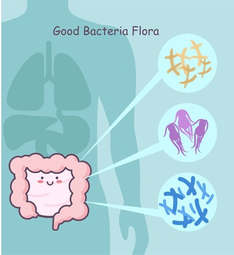 Gut bacteria The microbes in your gut will affect whether you develop gut diseases like infectious colitis or inflammatory bowel disease, but a growing body of research suggests that gut bacteria may influence much more than just digestion. Studies have found that obese people have less diversity in their gut flora and increases or decreases in certain groups of bacteria have been linked to obesity. In 2013, a Washington University study of twins, where one was lean and the other obese, was conducted. When gut bacteria from the twins were introduced to mice, the ones with the obese bacteria put on weight, while the lean bacteria mice stayed lean. One study found that approximately 90% of the body’s serotonin is made in the digestive tract. Cultivated by certain bacteria in the gut, a lack of this peripheral serotonin could affect mental health. Other studies suggest that the health of your gut bacteria may affect brain function, depression, anxiety, cardiovascular disease, osteoporosis and cancer. 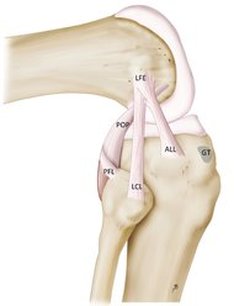 New Knee ligament In 2013 two knee surgeons in Belgium announced they had found a new ligament in the knee. Positioned at the front portion on the outside of the knee, they named it the anterolateral ligament (ALL). While some surgeons had noted that a ligament seemed to exist there, no one named or systematically studied it. In 1879, French surgeon Paul Segoned first observed that in addition to the four structural knee ligaments, other ligaments must exist or the knee would not be stable. During dissection he noticed a “pearly, resistant fibrous band” originating on the outside, front part of the thighbone and continuing to the shinbone. He believed that this was the stabilizer ligament preventing the knee from collapsing inwards. However, he never named it and its existence was either ignored or forgotten. The presence of this band could help better understand and treat the most common sports injury worldwide - the anterior cruciate ligament (ACL) tear. 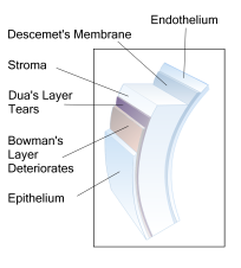 A New Layer in the Eye Professor Harminder Dua discovered a new layer in the human eye. Named the “Dua’s Layer", it is located in the back of the cornea between the corneal stroma and the Descemet’s membrane. Measuring only 15 microns thick, it’s an extremely strong layer that is impervious to air. The discovery means that ophthalmology textbooks will have to be re-written. 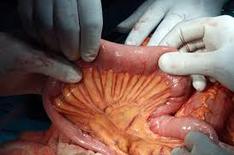 Mesentery
Previously thought to consist of fragmented and disparate structures, in 2012 scientists found that it is one continuous organ. Known as the mesentery, it spans the length of the upper small intestine to the end of the large bowel. The mesentery attaches your intestine to the wall of your abdomen, keeping everything in place. Leonardo da Vinci first depicted it as one continuous organ and it remained that way until 1885, when Sir Frederick Treves presented findings stating that the mesentery was fragmented among the small and large intestine. While its specific function is still unknown, recognizing it as it’s own organ could lead to new discoveries about its role in abdominal diseases.
There are three main types of TOS, named according to the cause of the symptoms; however because TOS is not well understood, there is still much controversy among physicians over these classifications. Vascular - Rare and usually involves compression of the subclavian artery or vein. Neurogenic - Involves compression of the brachial plexus. The majority of TOS cases are neurogenic. Nonspecific-type - Involves unexplained pain in the cervical region, scapular region, and arm. Symptoms typically begin after a traumatic event. What Causes TOS
Signs and Symptoms Depending on which structures are compressed, symptoms can vary.
What You Can Do To Relieve The Pain
When To See A Doctor
See your doctor if you are consistently experiencing any of the signs and symptoms of thoracic outlet syndrome. |
Heather McNay
I've been a Licensed Massage Therapist since 2006. In my free time I enjoy hiking with my husband and dog. I also have a passion for cooking, baking and gardening. Archives
October 2026
Categories |






 RSS Feed